Product Knowledge & Application
What is 500D PVC Tarpaulins?
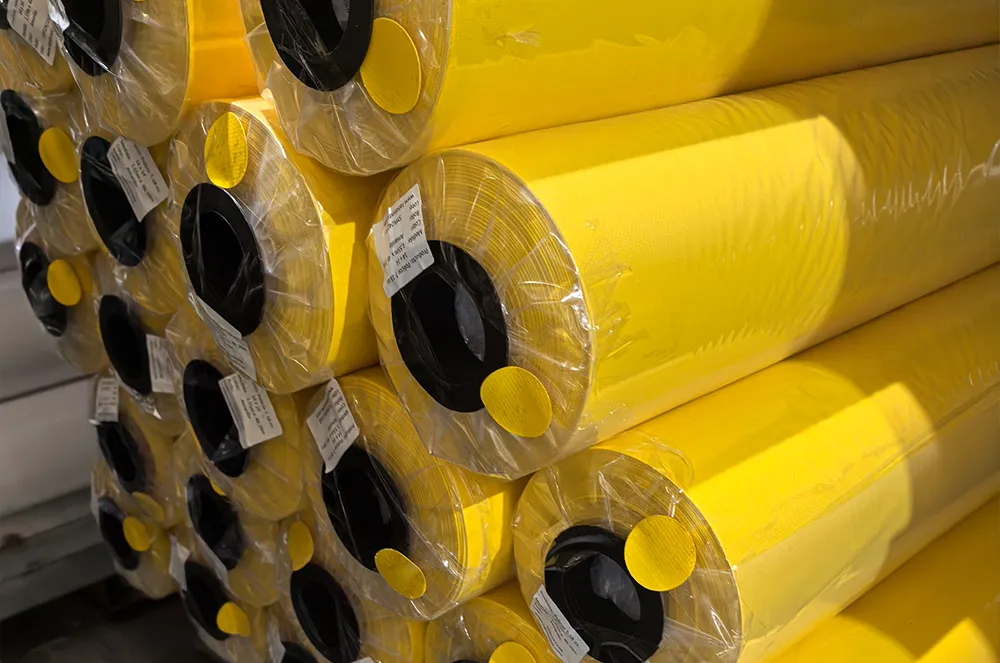
500D PVC tarpaulin refers to PVC coated on 500D polyester base fabric to form an indestructible lightweight waterproof material fabric.

500D PVC tarpaulin refers to PVC coated on 500D polyester base fabric to form an indestructible lightweight waterproof material fabric.
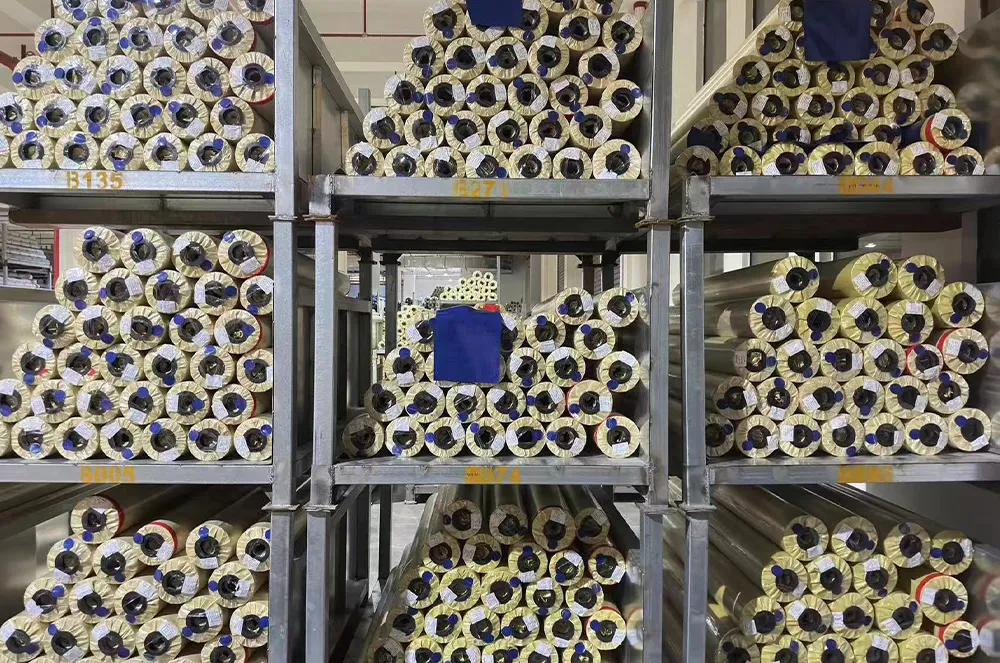
PVC tarpaulin is a multifunctional tarpaulin material made of polyvinyl chloride (PVC) and polyester fiber-based fabric (substrate).While both PVC and substrate form the core structure of the material, variations in their specifications—such as PVC additives, and fabric denier—directly influence performance, durability, and ultimately, pricing.
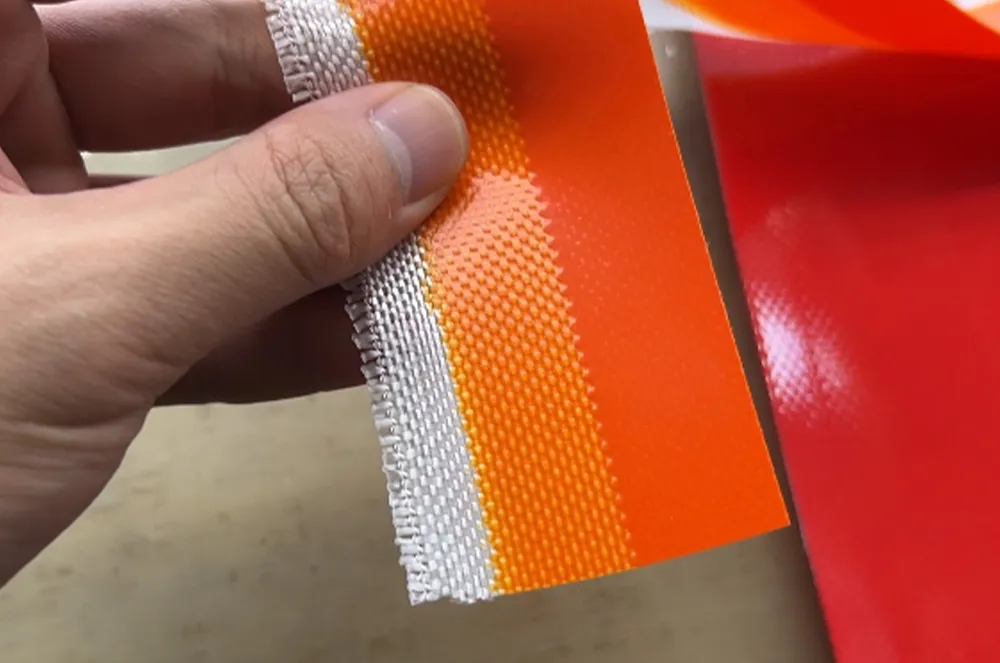
The foundation of tear-resistant vinyl tarps lies in the base fabric selection and weaving technique: Polyester (PET) mesh with the same specifications and weaving process: Due to its high tensile strength (e.g., 600D-1800D denier) and cost-effectiveness, it dominates the industrial tarpaulin market. Typical tensile strength: 2,500–3,375 N/5cm.
The durability of PVC vinyl tarp material is a complex result of the interaction between its intrinsic quality and the external environment, and production costs. Particularly the selection of raw materials and investment in manufacturing processes
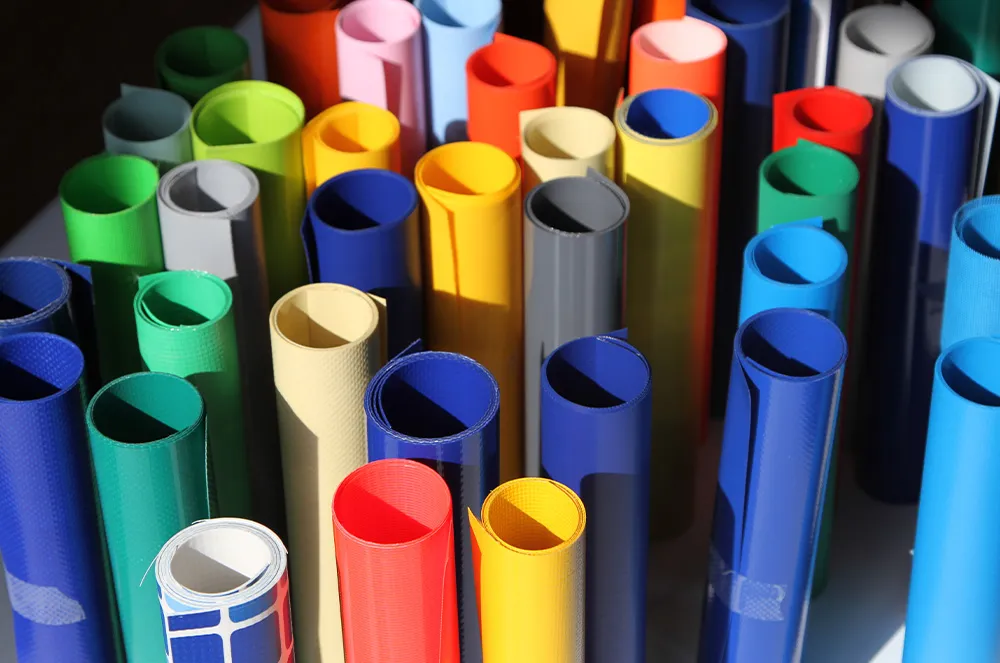
Vinyl tarp fabric manufacturers combat fading with sophisticated formulations and treatments: High-Quality, UV-Resistant Pigments: Inorganic Pigments: These (like titanium dioxide for whites, certain metal oxides for colors) are inherently more stable and UV-resistant than cheaper organic dyes.
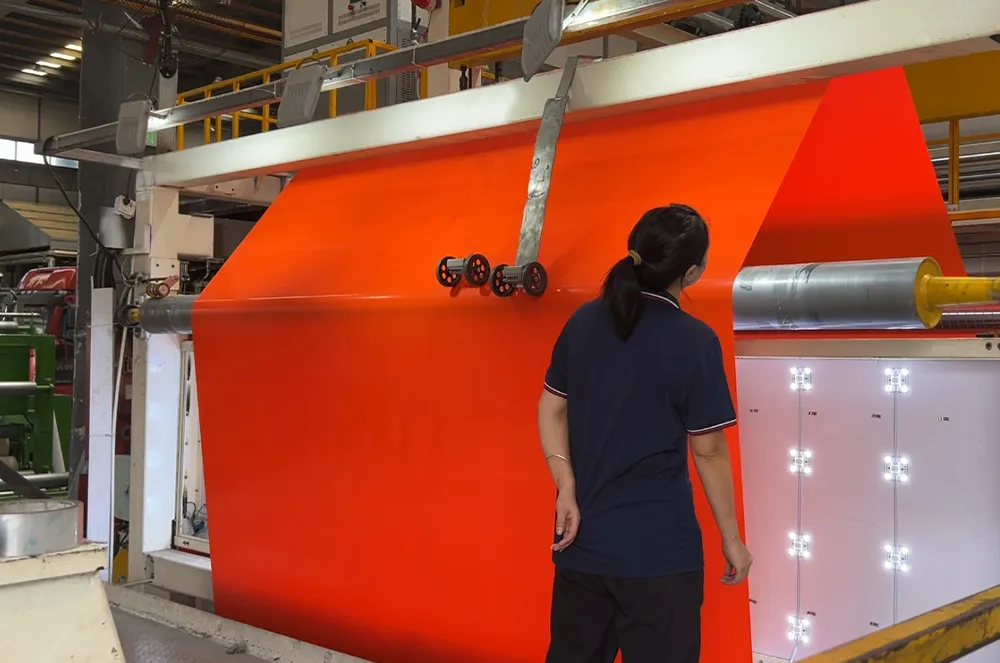
One PVC tarpaulin fabric factory used low-cost recycled materials, causing an entire batch to turn red during storage, resulting in ¥800K losses.
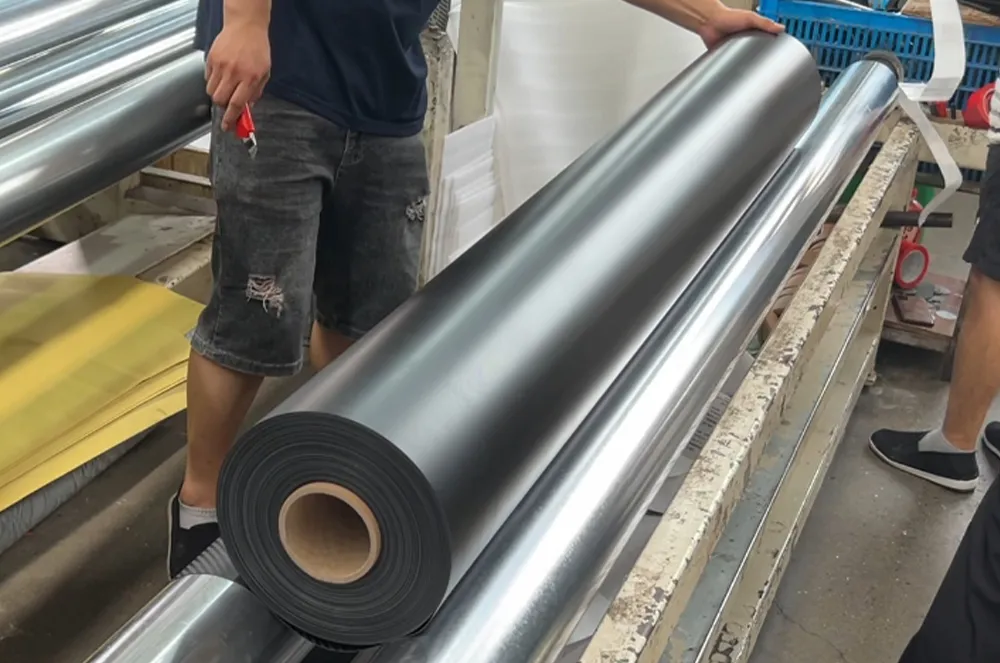
Intensified by heat, they slowly migrate from the PVC’s core to its surface. When multiple layers press together in a PVC tarpaulin fabric roll, the migrated plasticizers form a natural “glue”
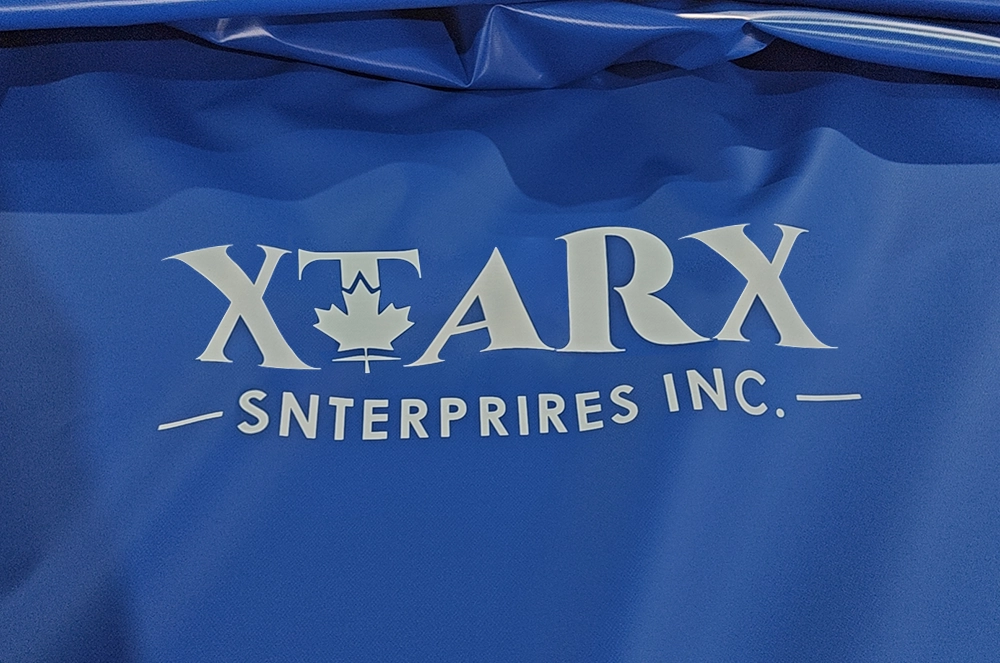
A PVC tarpaulin with a clear, vibrant, and long-lasting logo is a mobile billboard for your brand! Fading, blurry prints damage your professional image and can even lead to customer loss.
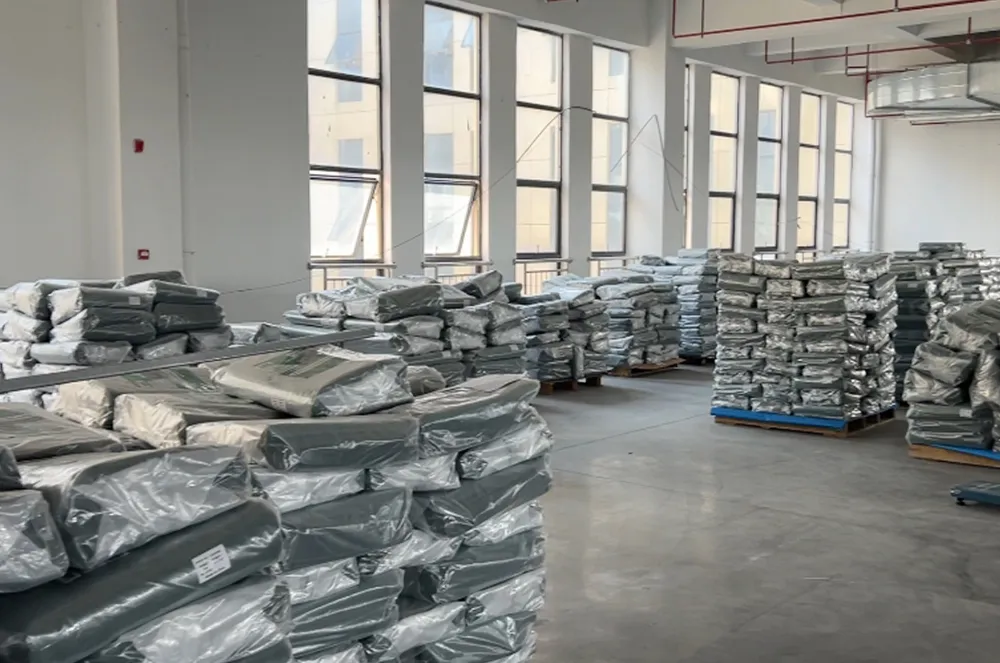
UV rays in sunlight break down vinyl tarp material chains and the molecular structure of added pigments.
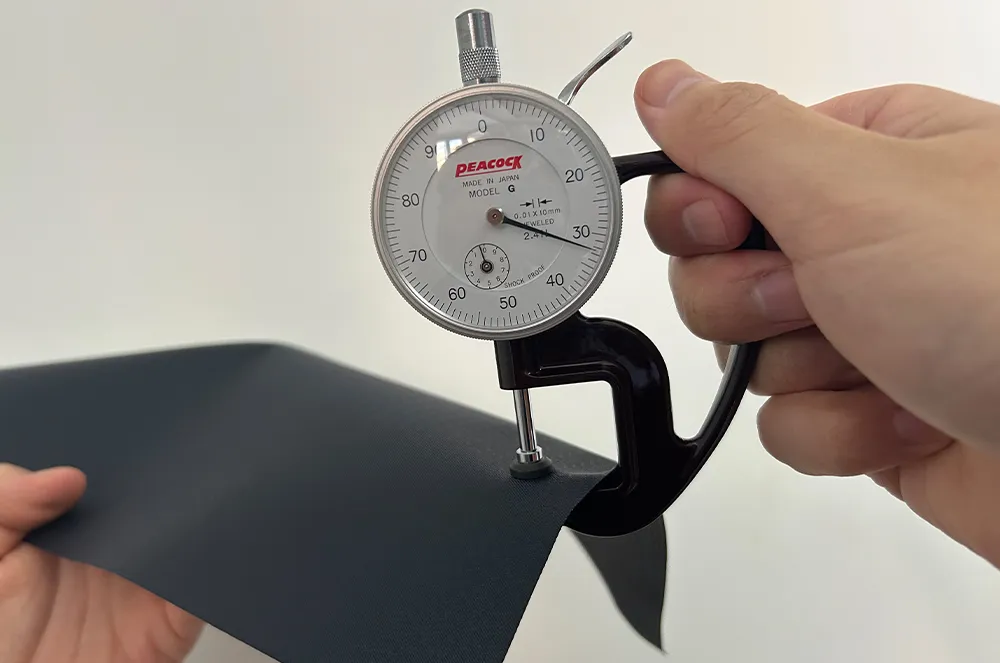
Using the right PVC thickness accurately helps businesses save costs. Conversely, PVC that is too thin or too thick increases costs. Too Thin: Frequent replacements, high cargo damage compensation, loss of customer trust. A single major loss can wipe out months of profits. Too Thick: Unnecessary surge in material costs, increased processing difficulty, reduced product competitiveness.